Featured Acupressure Points
This guide covers 32 of the most important acupressure points for self-care. Each point includes its precise location, primary benefits, how to stimulate it, and safety considerations.
Most Commonly Used Points
By Acupressure Guide Editorial Team · Updated June 2026
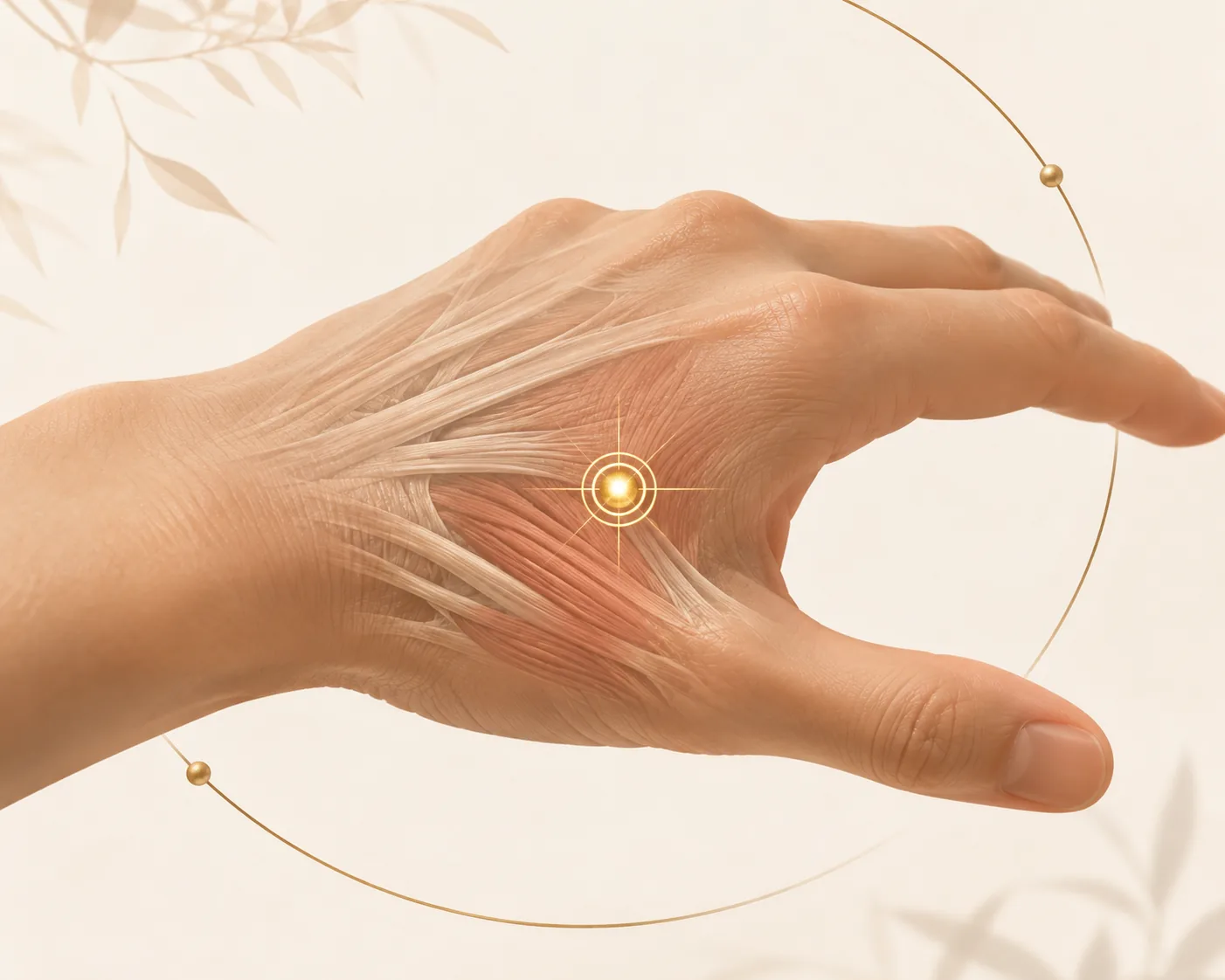
What Is LI4 (Hegu)?
HandLocated on the back of the hand in the web between thumb and index finger. One of the most powerful analgesic points for the head and face.
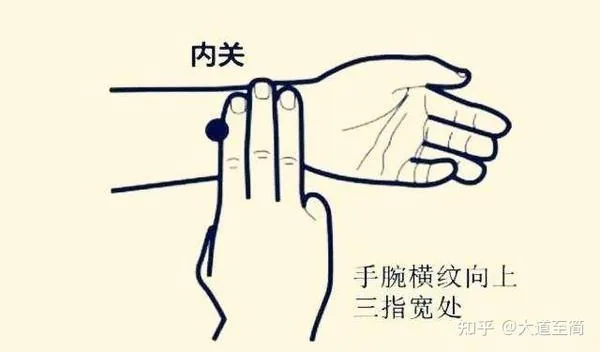
What Is PC6 (Neiguan)?
ArmLocated on the inner forearm, three finger-widths below the wrist crease. Widely used for nausea, anxiety, and motion sickness.
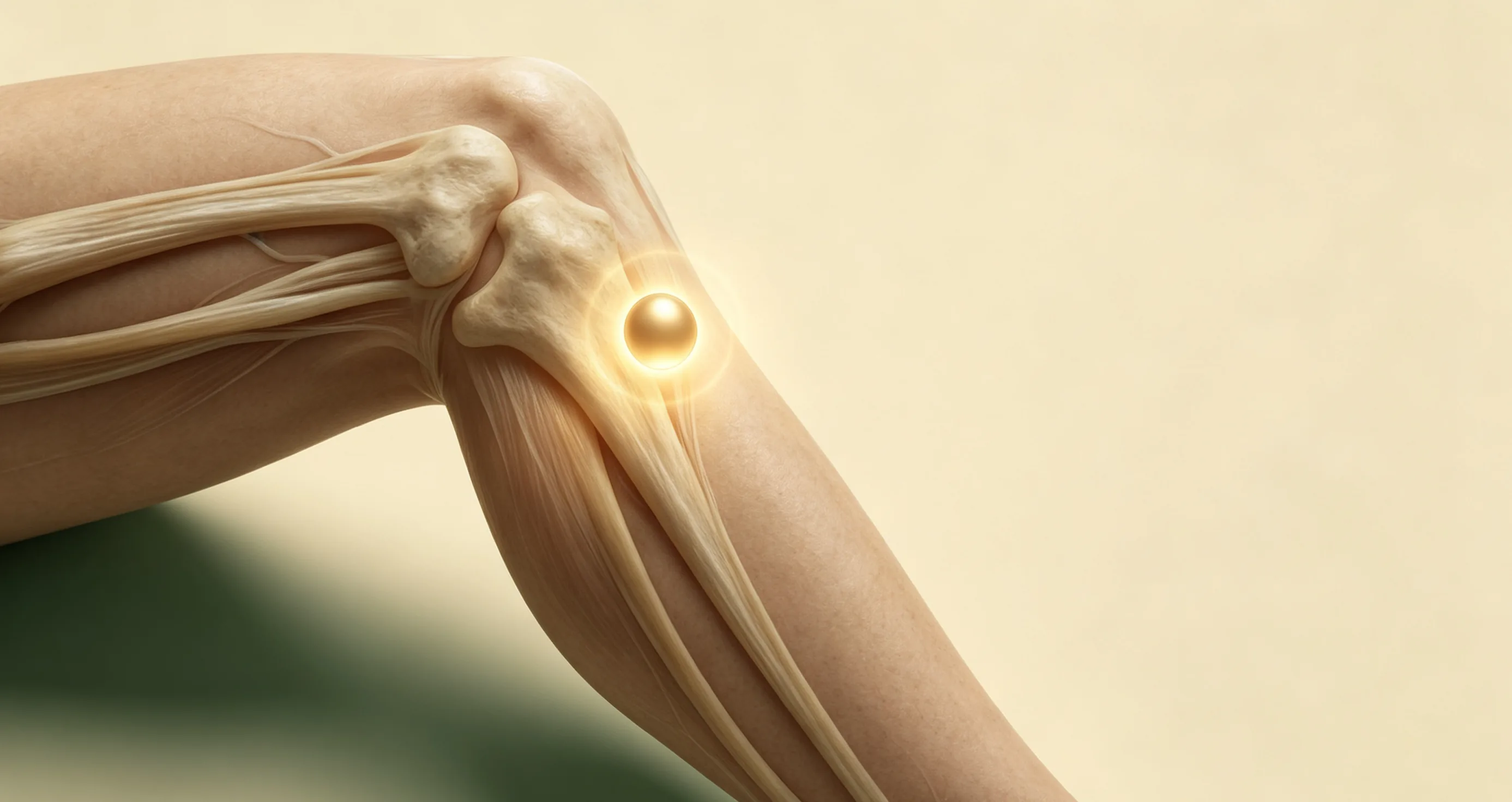
ST36 (Zusanli) — Leg Three Miles
LegLocated below the knee, about four finger-widths down from the kneecap, one finger-width outward from the shin bone. A primary point for digestive health and vitality.
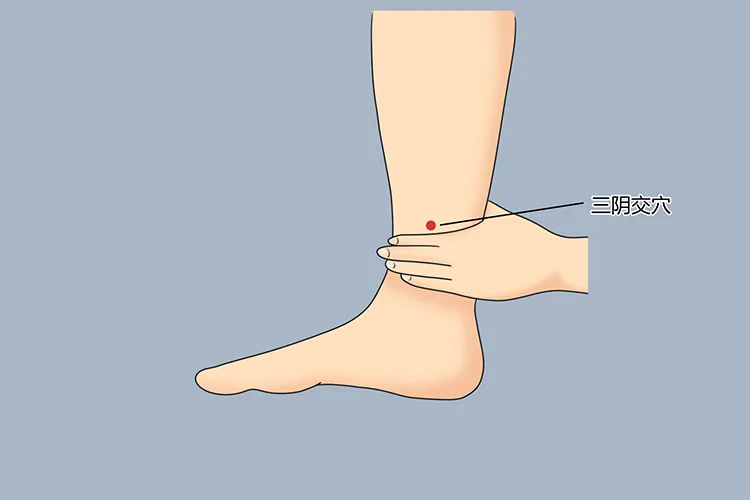
SP6 (Sanyinjiao) — Three Yin Intersection
LegLocated on the inner lower leg, four finger-widths above the inner ankle bone, just behind the shin bone. The most important point for women's health in TCM.
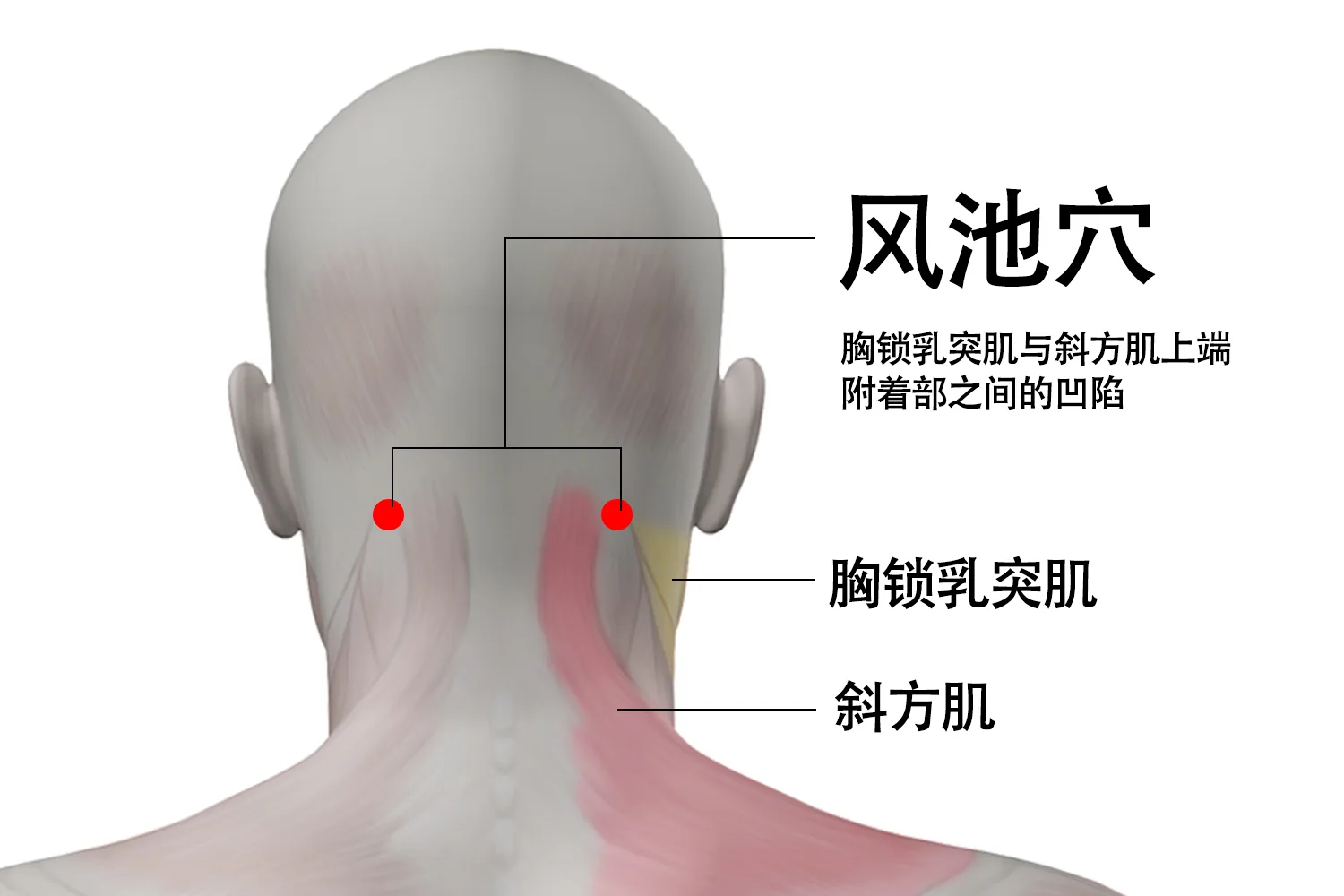
GB20 (Fengchi) — Wind Pool
NeckLocated in the hollows at the base of the skull, between the two large neck muscles. A key point for headaches, neck tension, and sinus congestion.
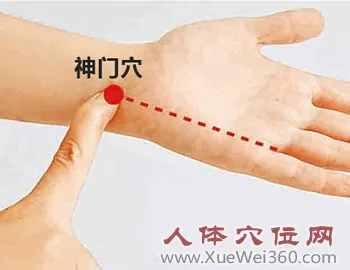
HT7 (Shenmen) — Spirit Gate
WristLocated on the inner wrist crease, in line with the little finger. The primary point for calming the mind, treating insomnia, and reducing anxiety.
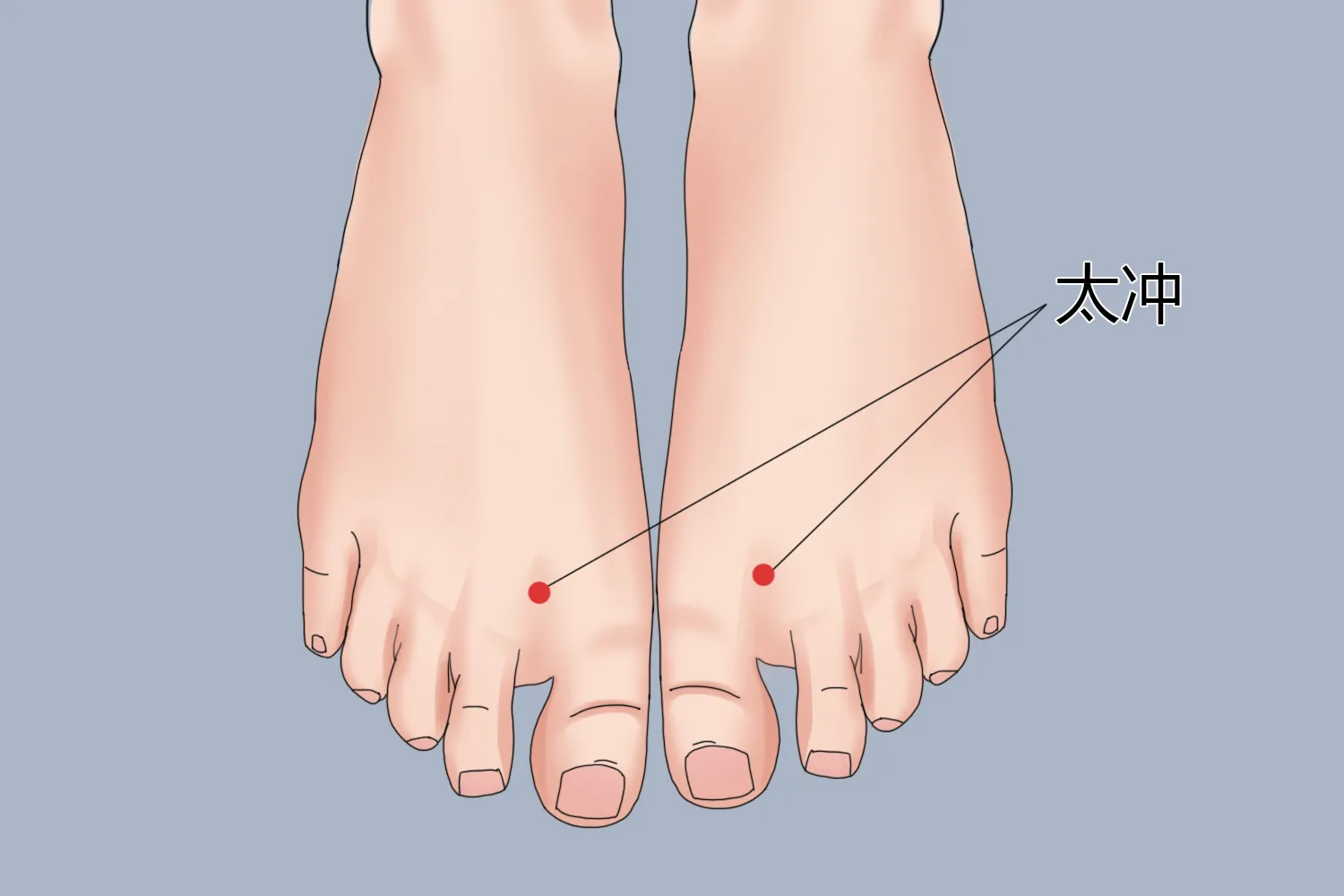
LV3 (Taichong) — Great Surge
FootLocated on the top of the foot in the depression between the first and second toe bones. A powerful point for stress relief and Liver Qi stagnation.
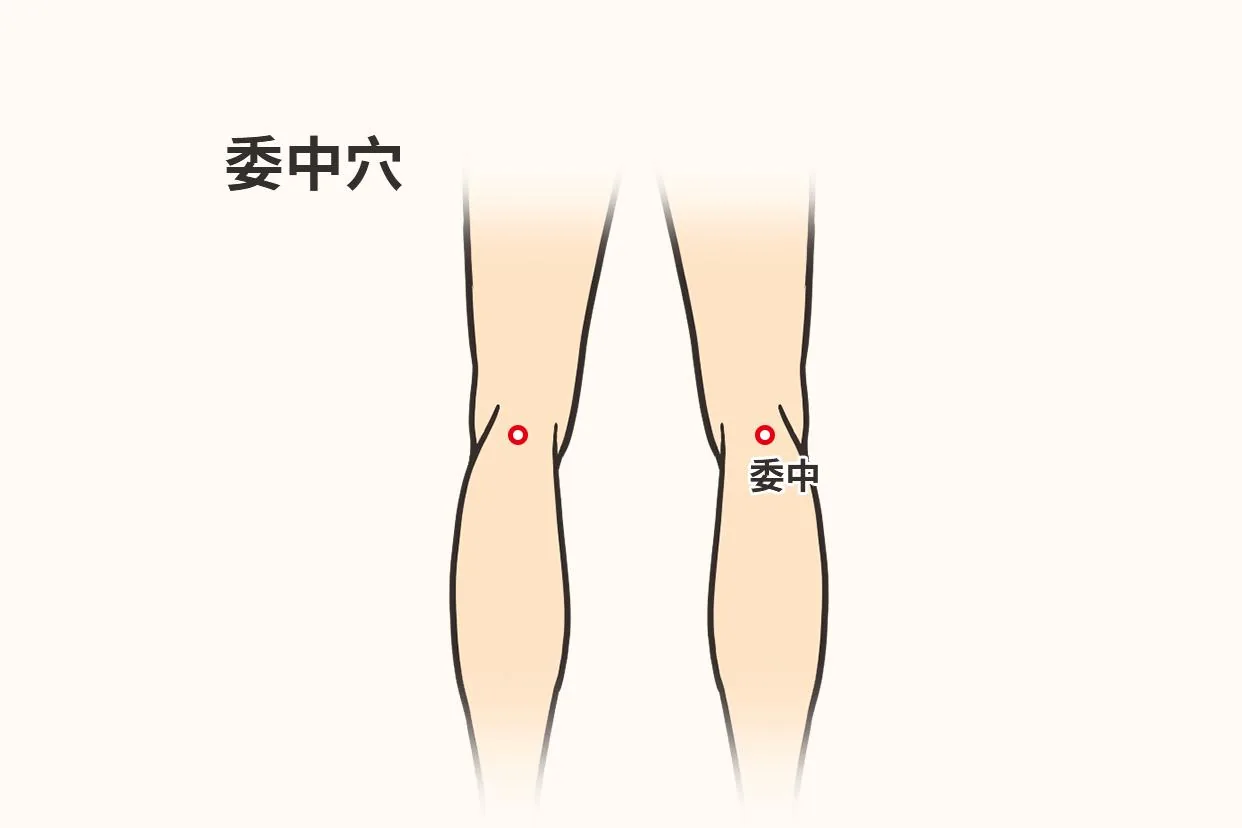
BL40 (Weizhong) — Bend Middle
LegLocated at the back of the knee, in the center of the popliteal crease. A primary point for acute lower back pain and sciatica.
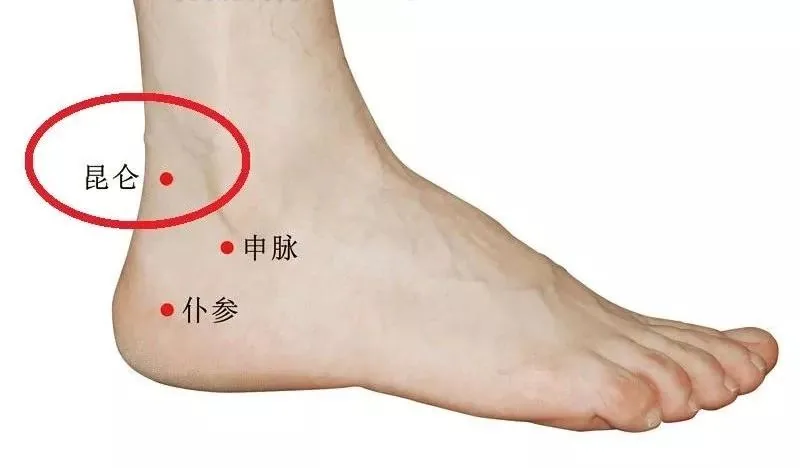
BL60 (Kunlun) — Kunlun Mountains
AnkleLocated in the depression between the outer ankle bone and the Achilles tendon. A main point for lower back pain, leg pain, and headaches.
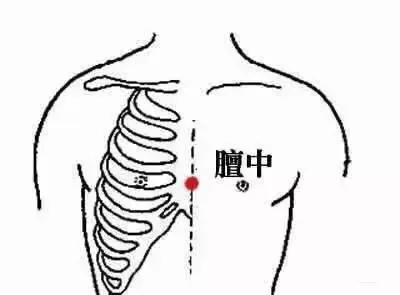
CV17 (Shanzhong) — Chest Center
ChestLocated on the center of the sternum at the level of the fourth intercostal space. A primary point for breathing support and emotional release.
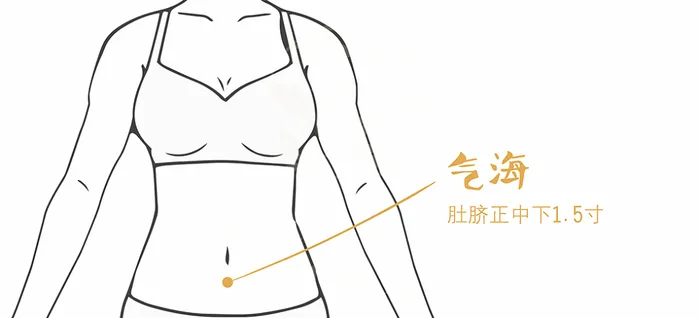
CV6 (Qihai) — Sea of Qi
AbdomenLocated on the midline of the lower abdomen, about two finger-widths below the navel. A fundamental point for vitality, digestion, and immune strength.
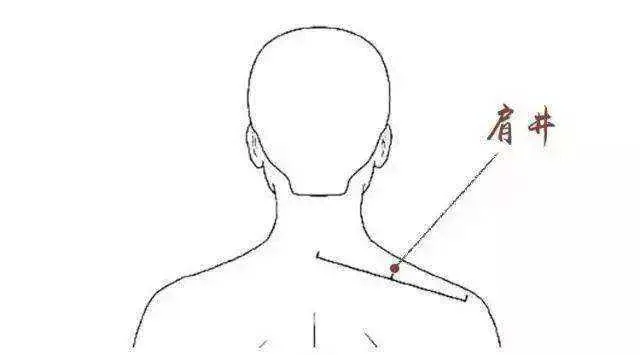
GB21 (Jianjing) — Shoulder Well
ShoulderLocated at the highest point of the shoulder, directly above the nipple. A primary point for releasing shoulder tension and neck stiffness.
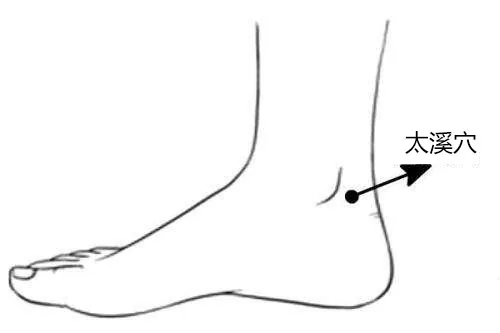
KD3 (Taixi) — Great Stream
AnkleLocated in the depression between the inner ankle bone and the Achilles tendon. A key point for nourishing Kidney energy and reducing fatigue.
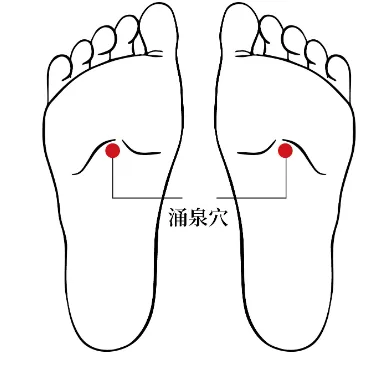
KI1 (Yongquan) — Gushing Spring
FootLocated on the sole of the foot in the depression that appears when the toes curl. A grounding point for calming the mind and promoting better sleep.
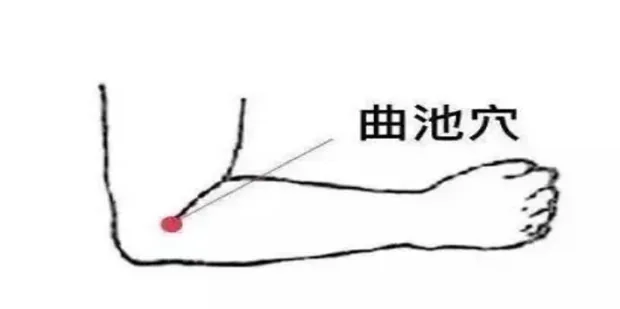
LI11 (Quchi) — Pool at the Crook
ArmLocated at the outer end of the elbow crease when the arm is bent. A primary point for allergies, skin conditions, and immune regulation.
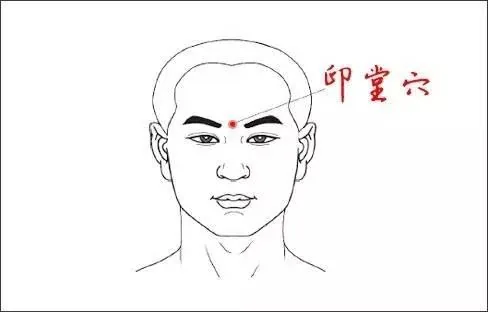
Yintang (Hall of Impression)
FaceLocated midway between the inner ends of the eyebrows, directly above the nose. A deeply calming point for anxiety, stress, and mental clarity.
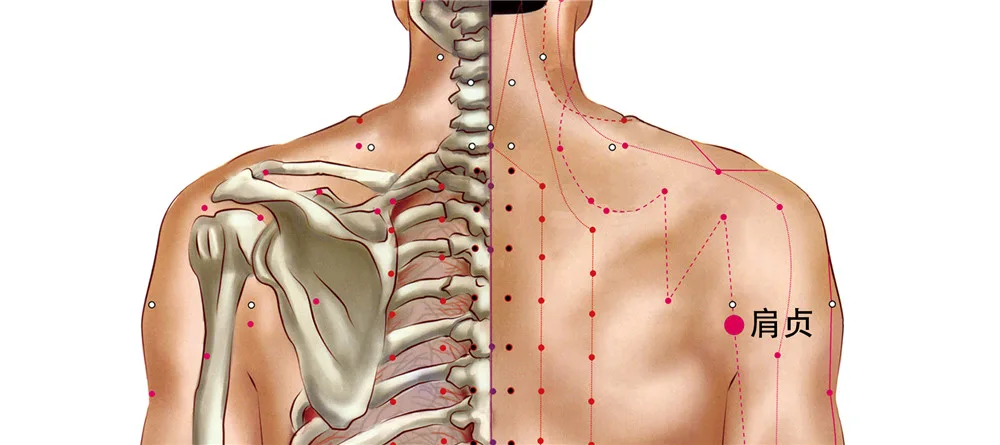
SI9 (Jianzhen) — Shoulder Center
ShoulderPosterior and inferior to the shoulder joint, about 1 cun above the posterior armpit crease, on the outer edge of the scapula. A key point for shoulder pain and limited arm movement.
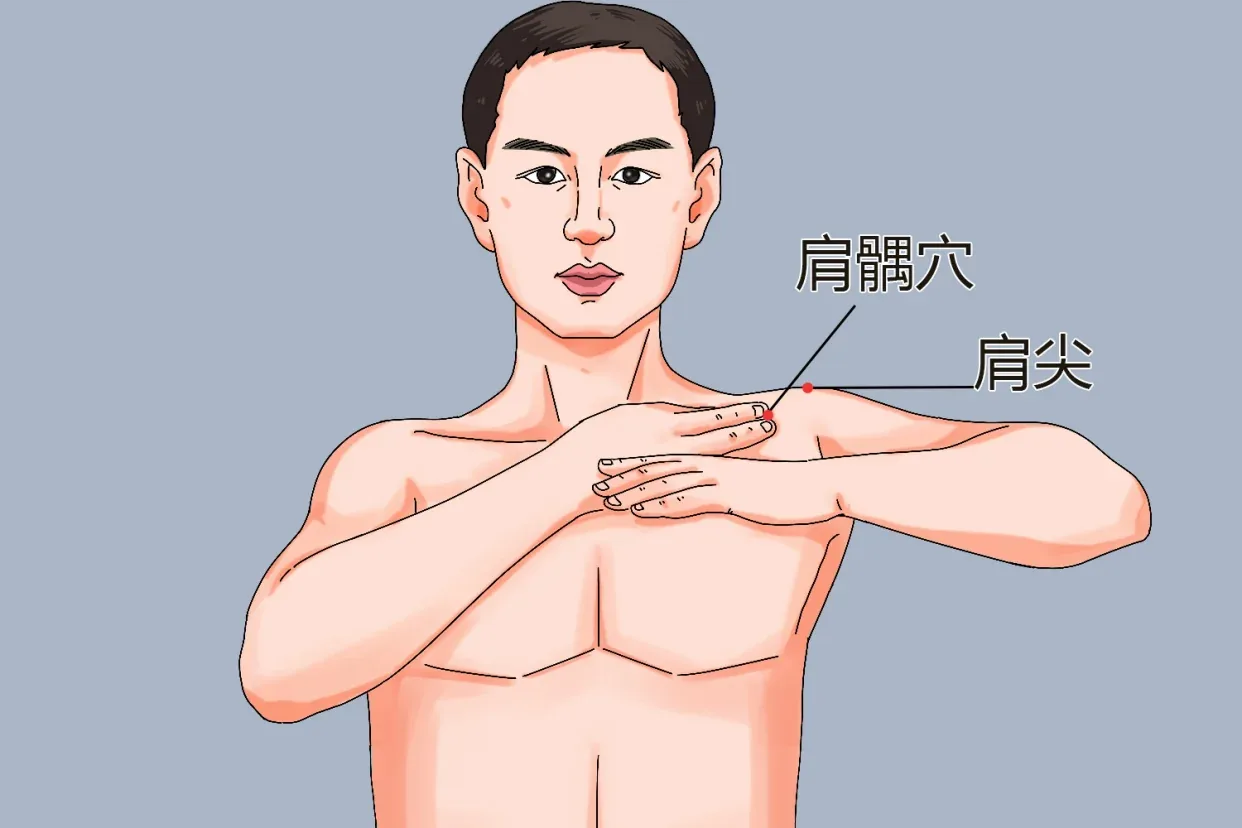
LI15 (Jianyu) — Shoulder Bone Joint
ShoulderIn the depression anterior and inferior to the acromion process; found when the arm is abducted. The most commonly used point for shoulder pain and frozen shoulder.
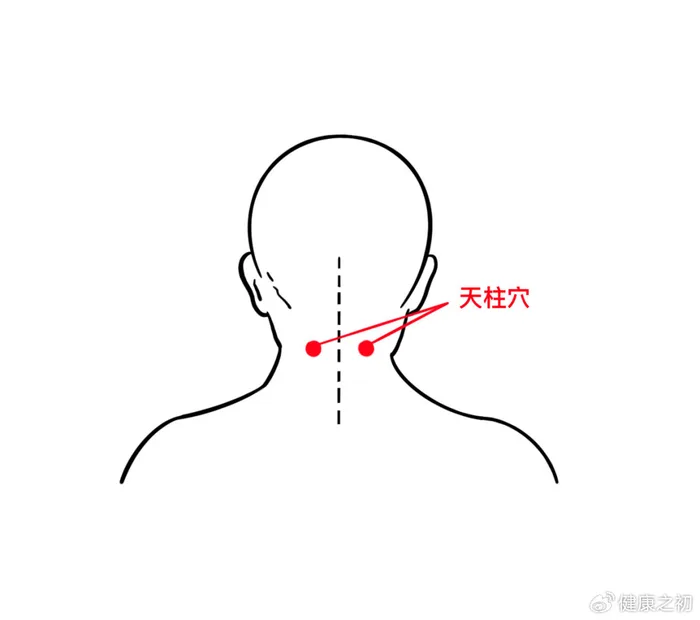
BL10 (Tianzhu) — Celestial Pillar
NeckAt the base of the skull, about 1.3 cun lateral to the midline at the level of the occipital ridge, on the outer border of the trapezius muscle.
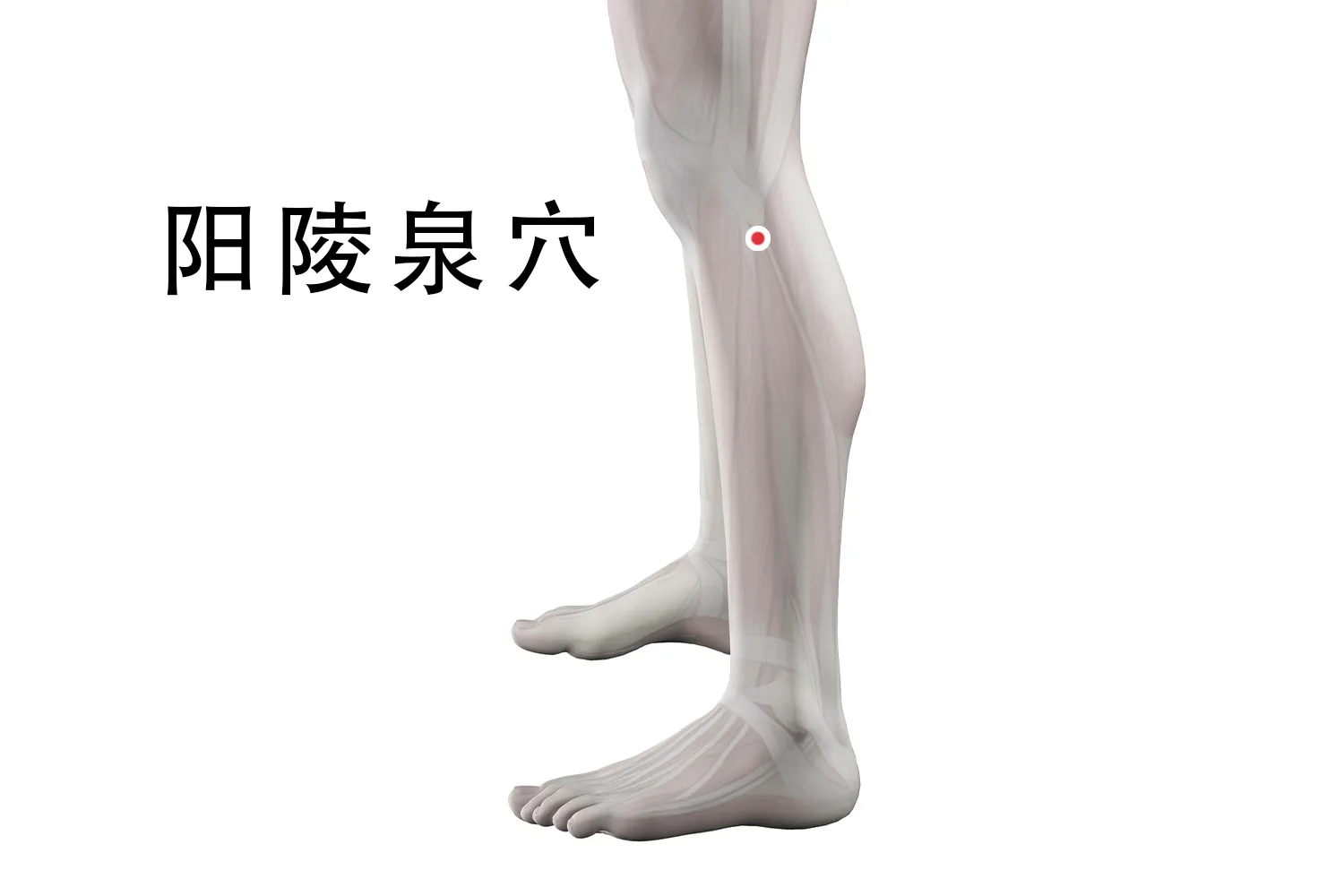
GB34 (Yanglingquan) — Yang Mound Spring
LegIn the depression anterior and inferior to the head of the fibula, on the lateral lower leg. The Meeting Point of the Tendons, used for muscle and joint problems.
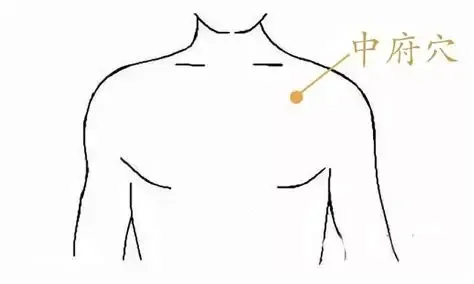
LU1 (Zhongfu) — Central Mansion
ChestIn the first intercostal space, 6 cun lateral to the midline of the chest. The Front-Mu point of the Lung, a primary point for respiratory comfort.
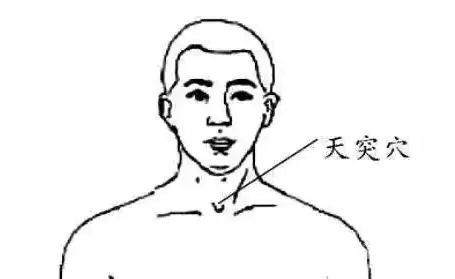
CV22 (Tiantu) — Celestial Chimney
ChestIn the hollow at the top of the breastbone (suprasternal fossa), between the inner ends of the collarbones. Use light, brief pressure.
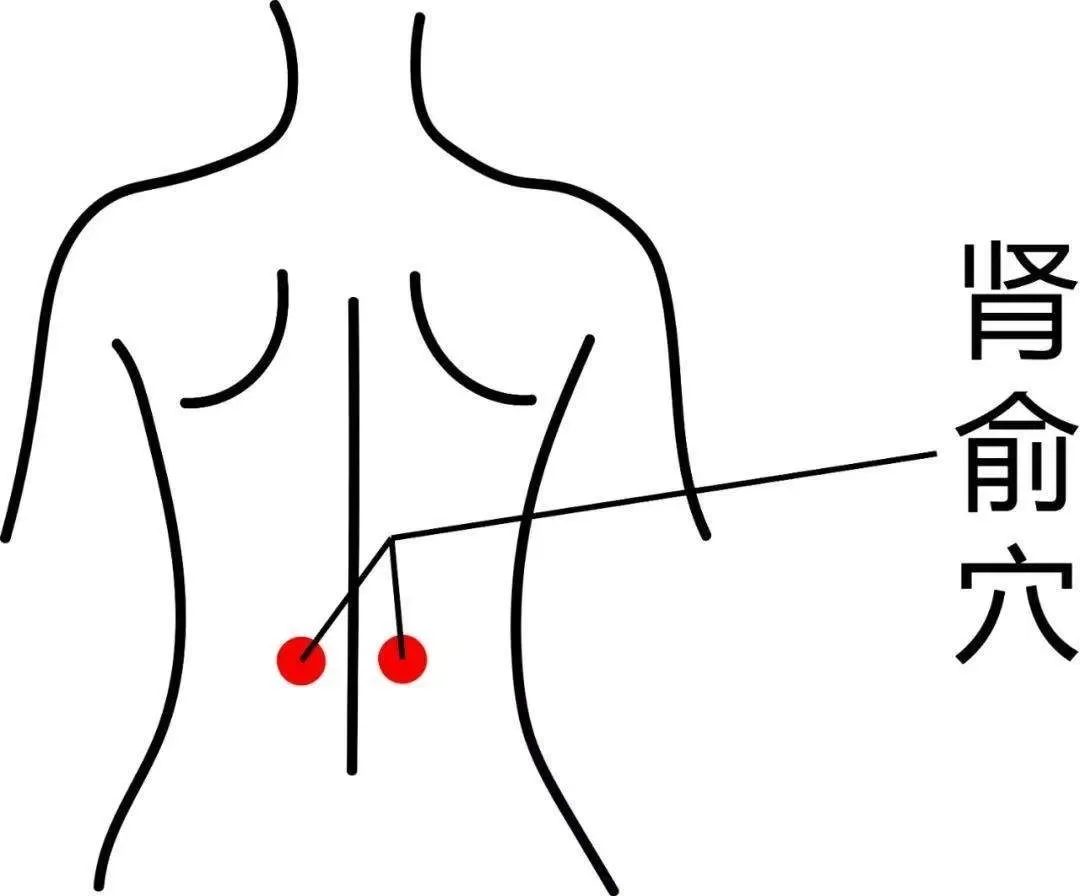
BL23 (Shenshu) — Kidney Shu
BackAt the level of the second lumbar vertebra, 1.5 cun lateral to the spine — roughly level with the navel. The Back-Shu point of the Kidney.
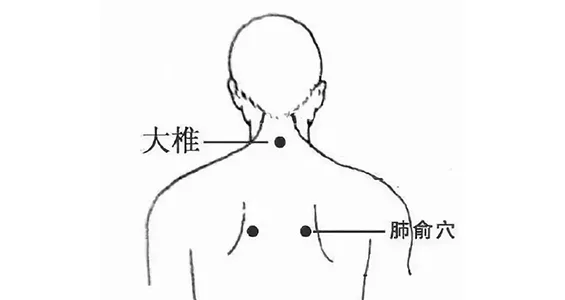
BL13 (Feishu) — Lung Shu
BackAt the level of the third thoracic vertebra, 1.5 cun lateral to the spine. The Back-Shu point of the Lung, used for respiratory support.
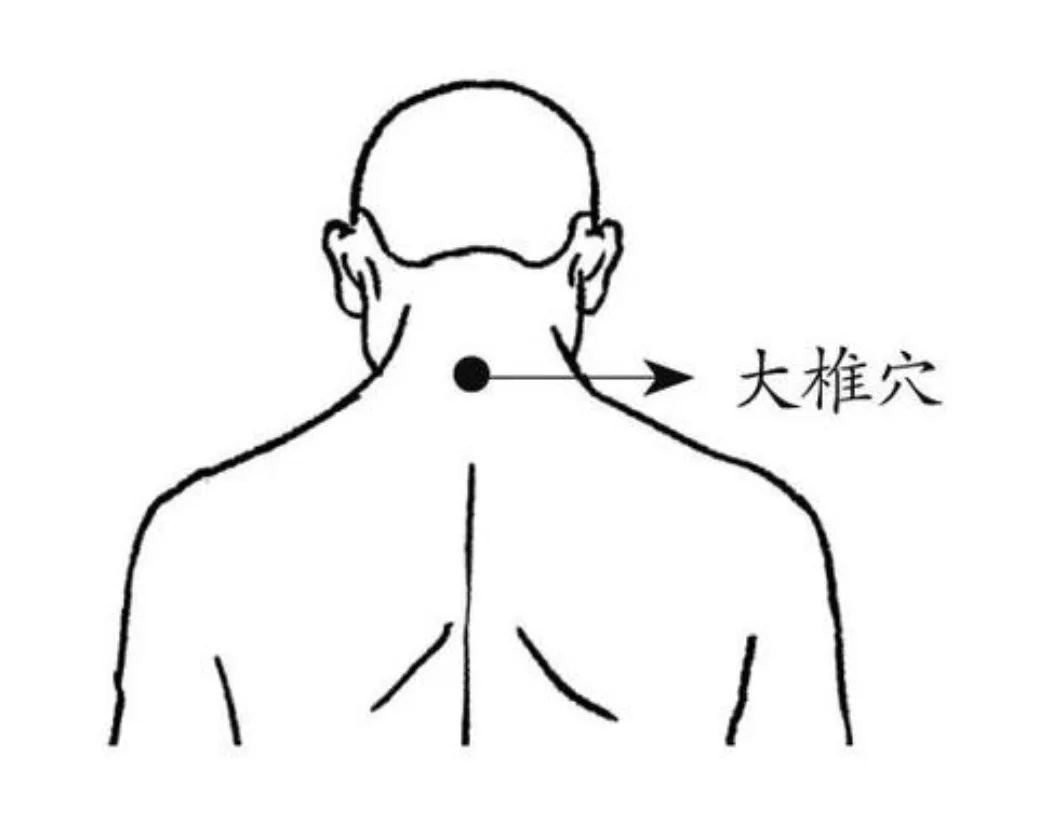
GV14 (Dazhui) — Great Hammer
BackBelow the spinous process of the seventh cervical vertebra — the most prominent vertebra when the head is lowered. A meeting point of all Yang meridians.
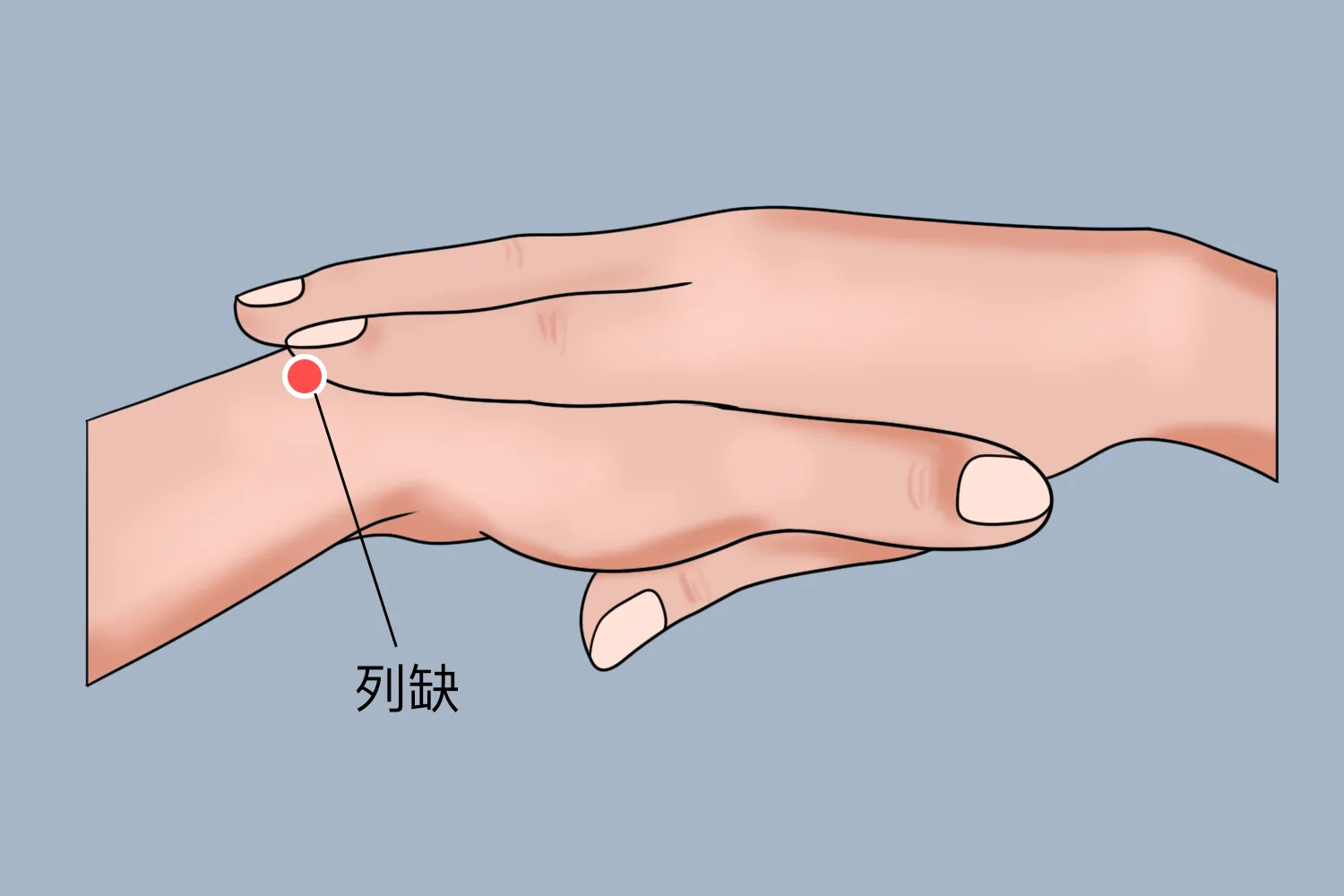
LU7 (Lieque) — Broken Sequence
ArmAbout 1.5 cun above the wrist crease on the outer forearm, above the radial styloid process. A classic point for headache and neck stiffness.
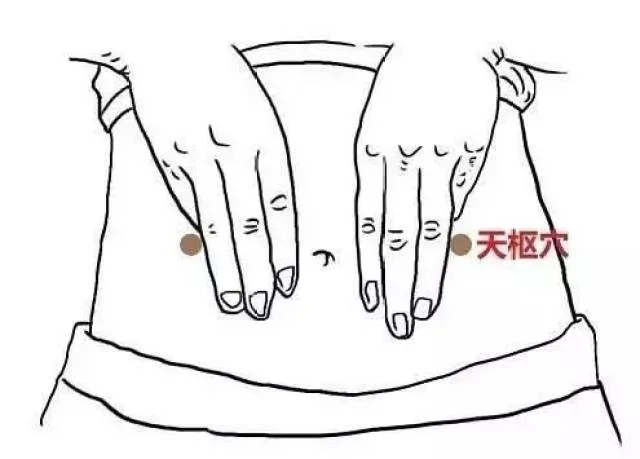
ST25 (Tianshu) — Heavenly Pivot
AbdomenTwo cun lateral to the center of the navel. The Front-Mu point of the Large Intestine and a primary point for digestive regularity.
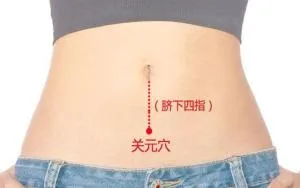
CV4 (Guanyuan) — Gate of Origin
AbdomenThree cun below the navel on the midline of the lower abdomen. A foundational point for vitality, urinary, and reproductive support.
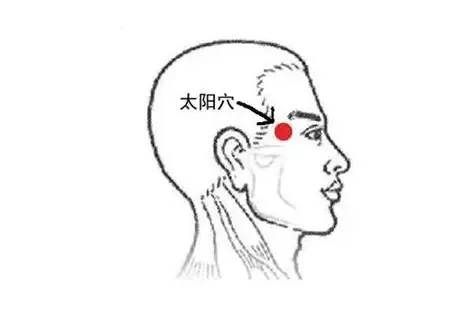
Taiyang — Sun Point
FaceIn the hollow of the temple, about 1 cun posterior to the midpoint between the outer end of the eyebrow and the outer corner of the eye.
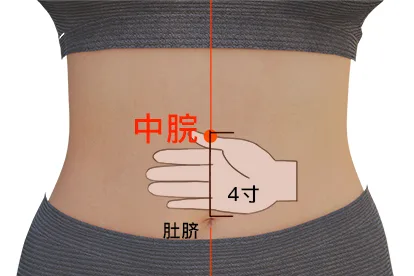
CV12 (Zhongwan) — Stomach Center
AbdomenOn the midline halfway between the sternum and the navel. The classic stomach center point, used for nausea, indigestion, and fullness.
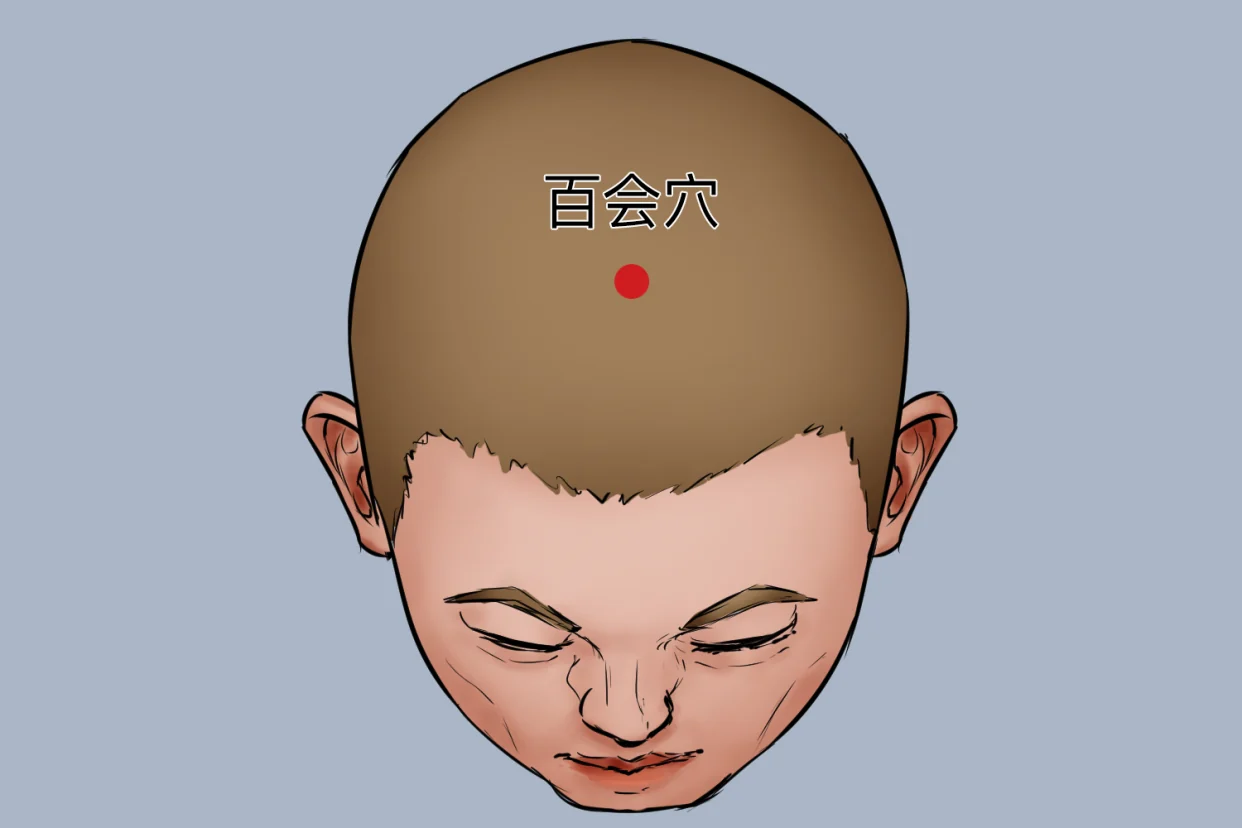
GV20 (Baihui) — Hundred Meetings
HeadAt the very crown of the head. Traditionally used for headaches, dizziness, mental fatigue, and clearing the mind.
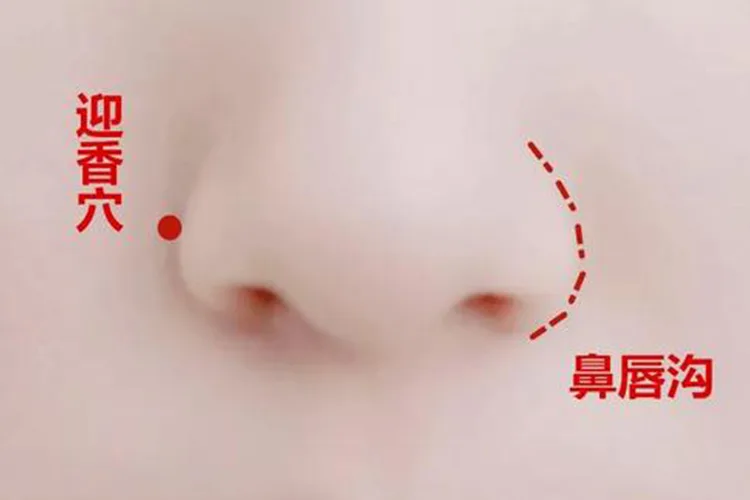
LI20 (Yingxiang) — Welcome Fragrance
FaceBeside the nostrils, at the outer edge of the nasolabial groove. The classic point for nasal congestion, sinus pressure, and facial pain.
How Do You Use This Guide?
- ✓Click any point to read the full guide with detailed location, how-to instructions, and research citations.
- ✓Each point includes safety precautions — always review before applying pressure.
- ✓For condition-specific protocols, visit our Conditions section.
- ✓For step-by-step technique guidance, read How to Do Acupressure.